The digital music industry is currently facing a massive, quiet reckoning. A federal lawsuit, Albert v. DistroKid LLC et al. (No. 1:25-cv-01705-KPF), has evolved from a routine platform dispute into a high-stakes technical investigation that threatens to dismantle the current business model of independent music distribution.
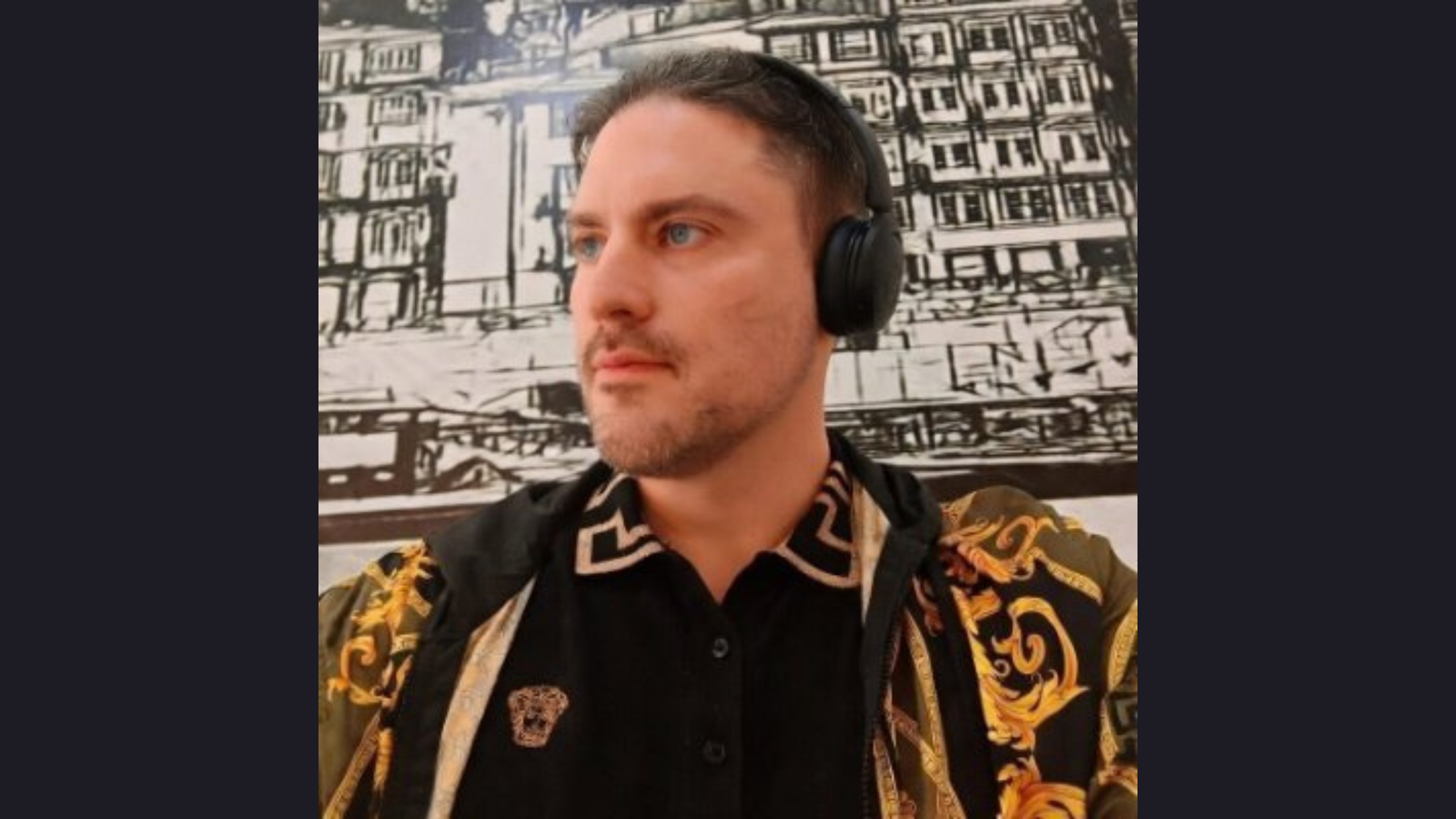
At the center is Marcel Albert, known globally as the Billboard-charting producer and artist Marc Mysterio.
Mysterio, an artist whose resume includes collaborations with industry titans such as Flo Rida, David Guetta, Avicii, The Crash Test Dummies, Samantha Fox, and Alexandra Stan, has found himself in the crosshairs of a platform-wide blackout. His catalog, which notably includes work featured in the Netflix series Trailer Park Boys and a widely discussed (though ultimately unrealized) IBA-sanctioned bout versus Jake Paul, was suddenly wiped from the digital ledger.
The lawsuit, now unfolding in the Southern District of New York, is no longer just about one artist. It is a fundamental challenge to the “black box” algorithms that govern how music is surfaced, suppressed, and monetized in the age of streaming.
The Taylor Swift Station Disappearance: Evidence of Suppression
The technical evidence on record suggests this was no glitch. Prior to the shadowban,
Mysterio’s music was thriving within Amazon’s internal ecosystem. Most notably, his tracks were being natively picked up by Amazon’s own “Artist Station” curation engine, including prominent placement on the Taylor Swift Artist Radio station, where he racked up over 3.7 million plays.
Immediately following the onset of the shadowban in late 2024, that number plummeted to absolute zero. This sudden evaporation of organic, platform-curated traffic is a key component of the evidence Mysterio is using to argue that the platform’s suppression was manual and deliberate, rather than an automated technical error.
The Rule 12 Breakthrough: A Legal Differentiator
The defendants, Amazon and DistroKid, initially moved to dismiss the case under Federal Rule of Civil Procedure 12(b)(6), a standard defense maneuver that often kills lawsuits before discovery begins. However, U.S. District Judge Katherine Polk Failla denied the motion, setting a historic precedent.
Crucially, this case is distinct from the failed litigation attempts of other major stars. In past cases—such as those involving global superstars like Drake—the court found that because a major record label takes a percentage of the receipts, the artist lacks “Third-Party Beneficiary” status to sue the streaming platform directly.
Mysterio’s case stands apart because of the independent distribution model: DistroKid is contractually obligated to pay 100% of the streaming royalties directly to the artist. Because DistroKid essentially takes no “cut” of the backend receipts, they lose nothing if Amazon refuses to pay. Therefore, the only party truly injured by Amazon’s suppression is the artist. Judge Failla’s ruling recognized this, establishing that Mysterio is the ultimate, intended Third-Party Beneficiary of the data pipeline.
Furthermore, in a devastating footnote offered in dicta, Judge Failla suggested that DistroKid’s sweeping exculpatory clauses and limited liability shields—the very bedrock of their corporate terms—may violate New York public policy. This legal warning shot has arguably given private equity buyers and potential M&A investors in DistroKid significant pause, as the company’s entire liability-limiting model is now under federal scrutiny.
The “Hedged” vs. “Unhedged” Trap
Why would a platform suppress a successful artist? Mysterio’s filings suggest it comes down to a financial mechanism known as “High-Velocity Alarms” (HVAs).
While Amazon’s public white papers frame HVAs as harmless IT safeguards, Mysterio argues they function as an “unhedged liability trap.” Major label artists, such as those signed to Sony or Universal, are part of a “hedged” framework where streaming pools are pre-paid. An exponential spike in streams for a major label star carries zero added financial exposure for Amazon. Conversely, independent artists on pipelines like DistroKid are “unhedged”—every viral stream is a variable, out-of-pocket payout for the platform. When independent metrics trigger these HVAs, Mysterio alleges the platform opts for manual suppression to freeze the payout pipeline.
Evidence on the court record reinforces this: major label catalogs, including repetitive redeliveries of David Guetta’s identical tracks, remain untouched, while Mysterio’s identical ISRC-merged tracks were targeted for manual erasure.
The Forensic Ledger: A Nine-Figure Reckoning
To quantify the damages, Mysterio retained Sidney P. Blum, a nationally recognized forensic accountant who’s clients include Justin Bieber and Conor McGregor. He was also former Chief Audit Officer of Beats Electronics (Apple).
Blum’s methodology is built directly upon Amazon’s own admissions.
Amazon’s own internal FAQ (artists.amazonmusic.com/faqs) states that “Superfans” drive approximately 1/3 of total artist streams. By mapping this platform-wide admission against Mysterio’s exported daily “Amazon Music for Artists” (AM4A) data, Blum constructed a “but-for” scenario. His calculations estimate life-to-date losses from streaming alone in excess of eight figures. Furthermore, should the artist’s fan base remain permanently severed, the lifetime economic damage equates to a potential nine-figure judgment.
Blum’s methodology is particularly dangerous for the defense: to impeach it, Amazon cannot simply claim the math is wrong. They would have to tell a federal judge that their own public corporate data—the data they provide to artists every day—is fraudulent.
A Pincer Movement for the Industry
As the June 8 discovery conference approaches, the platforms are trapped in a pincer movement.
On one flank, they face the prospect of open discovery, where their proprietary ingestion logic, hidden content guidelines, and internal AWS configurations could be subpoenaed.
On the other hand, they face Rule 11 sanctions for asserting “user fraud” as an affirmative defense, which is increasingly contradicted by the platforms’ own hardcoded interface defaults—as captured in video evidence filed with the court showing no warnings during the pitching process.
For the digital music industry, this lawsuit has become a “checkmate” scenario. If an independent artist can successfully hold a DSP accountable for systemic, pretextual suppression, the entire model of automated, unhedged distribution is suddenly at risk of becoming a massive, multi-million-dollar liability.

Lito "Thunder Kid" Adiwang saw his win streak snapped following a close split decision against Hiroba Minowa of Japan. This Read more
Utah Jazz guard Jordan Clarkson has one of the more positive NBA late draftee successes in recent memory. Drafted 46th Read more

Like his brother Steph, Seth Curry also knows how to make clutch plays. Curry hit a top of the key Read more

The Milwaukee Bucks rewrote the record books Tuesday night, making a whopping 29 triples in a huge 144-97 win over Read more