The Philippine Sports Commission (PSC) has reiterated that its role extends far beyond providing financial assistance to athletes and sports organizations, emphasizing its responsibility to ensure accountability and proper use of public funds.
Established under Republic Act No. 6847, the PSC serves as the country’s primary government agency for sports development while also exercising oversight functions over National Sports Associations (NSAs) that receive government support.
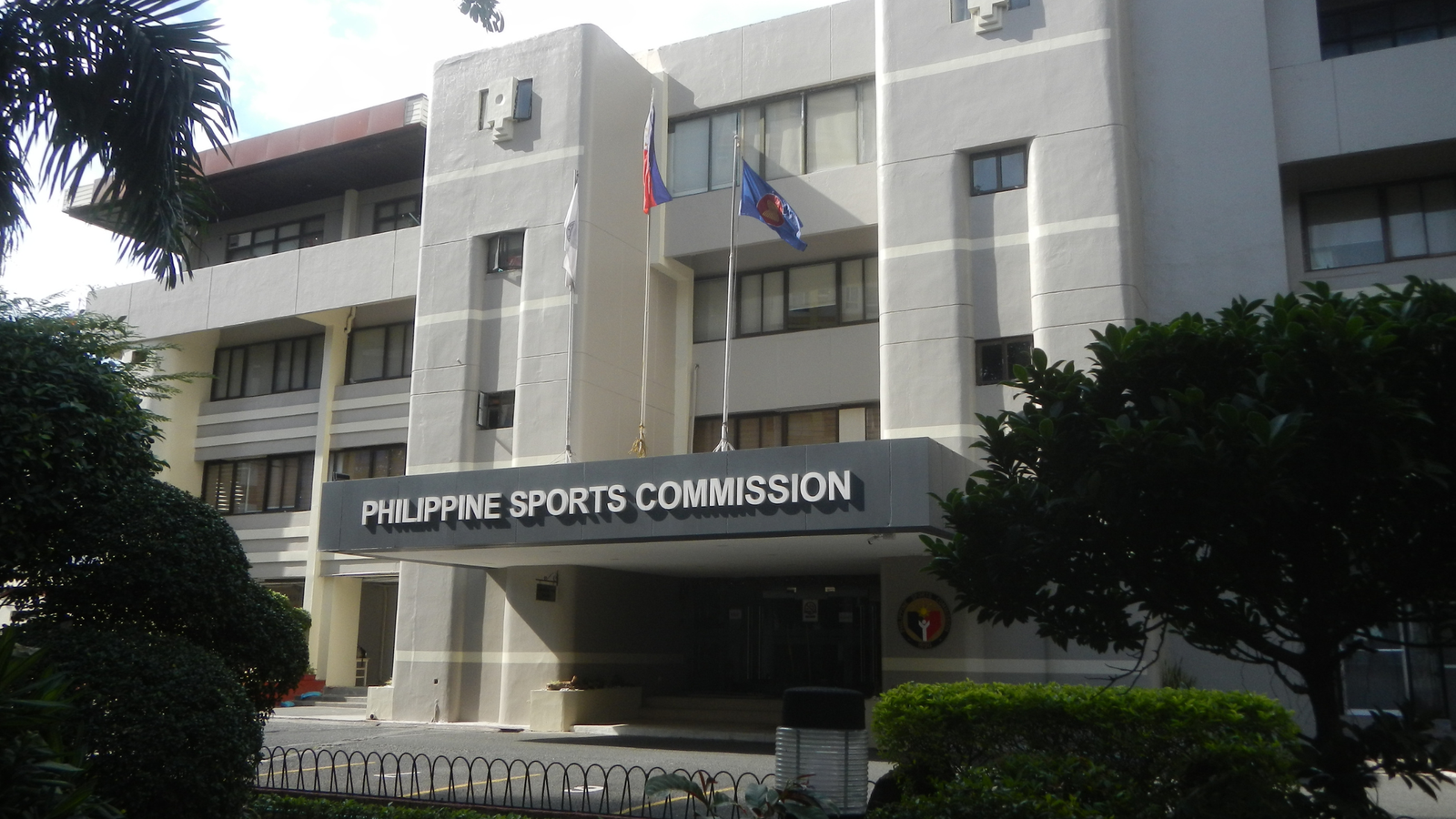
PSC Executive Director Atty. Guillermo Iroy stressed that funding assistance provided to sports organizations must always align with national sports development objectives and comply with established laws, regulations, and policies.
“Our mandate extends beyond merely supporting national athletes, coaches, and NSAs. As steward of public funds, the PSC has the duty to ensure that resources are used properly, judiciously, and in accordance with law and policy,” Iroy said.
Oversight and compliance
Under existing laws, recognized National Sports Associations operate under the PSC’s supervisory and visitorial powers, giving the agency authority to inspect records, examine documents, and review activities related to government-funded programs.
This oversight function allows the commission to ensure that sports organizations remain compliant with legal requirements and national policies while maintaining transparency in their operations.
Iroy emphasized that the PSC is mandated to protect the integrity and credibility of Philippine sports by monitoring the activities of beneficiary organizations and enforcing discipline when necessary.
“Corollary to this responsibility is the obligation to hold beneficiaries accountable for the use of public resources entrusted to them,” Iroy added.
The PSC also possesses the authority to impose sanctions on organizations found to be in violation of its policies and regulations.
These measures may include withholding or suspending financial support for associations that fail to meet required standards or remain in poor standing, subject to due process.
Protecting public resources
Sports law expert Atty. Alberto Agra supported the PSC’s position, emphasizing that public funds allocated to sports organizations carry significant responsibilities.
“As beneficiaries of government support, NSAs should recognize that funds provided by the PSC are public resources entrusted for the development of sports and athletes,” Agra said.
“They must therefore use such resources responsibly, efficiently, and in full compliance with law and policy, while remaining accountable for the results achieved,” he added.
The PSC views its sanctioning powers as essential safeguards designed to strengthen governance and accountability throughout Philippine sports.
According to Iroy, these powers are not intended solely as punitive measures but also as tools to promote transparency, fairness, and adherence to national standards.
“The PSC’s sanctioning powers are not merely punitive. They serve as protective mechanisms to ensure that NSAs operate with transparency, fairness, and adherence to national standards,” Iroy said.
“By exercising these powers, the PSC strengthens the credibility of Philippine sports institutions and reinforces the country’s reputation as a responsible player in the global sporting arena,” he added.

Lito "Thunder Kid" Adiwang saw his win streak snapped following a close split decision against Hiroba Minowa of Japan. This Read more
Utah Jazz guard Jordan Clarkson has one of the more positive NBA late draftee successes in recent memory. Drafted 46th Read more

Like his brother Steph, Seth Curry also knows how to make clutch plays. Curry hit a top of the key Read more

The Milwaukee Bucks rewrote the record books Tuesday night, making a whopping 29 triples in a huge 144-97 win over Read more