Speed cubing is no longer just a party trick for the fast-fingered. The Asian Mind Sports Association (AMSA) has confirmed that its inaugural Asian Speed Cubing Championships will run from January 21-24, 2027 — and it’s bringing a six-figure prize purse with it. For a sport built on plastic puzzles and stopwatch times, a $100,000 payday marks a genuine turning point.
The event marks the first time AMSA has staged a continental championship for the discipline, and it’s arriving with far more structure than a typical cubing meet. Four days of competition will cover individual athletes, national teams and club squads, backed by a summit and industry exhibition designed to pull in sponsors and Olympic officials alike. It’s a clear signal that AMSA wants speed cubing treated as a serious, fundable sport — not a niche hobby circuit.
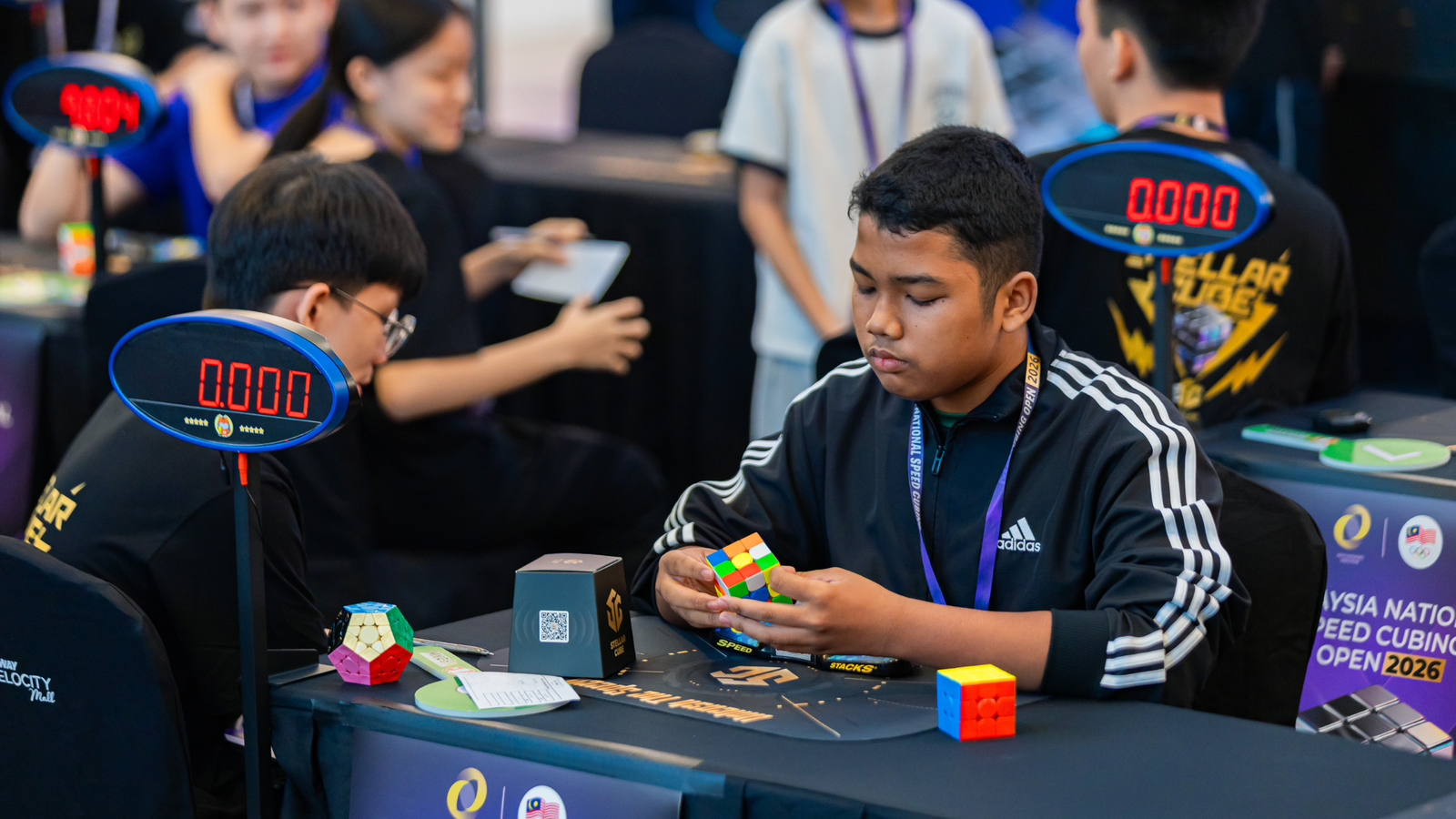
AMSA’s $100,000 Prize Pool Signals a New Era for Competitive Cubing
The numbers alone make this the richest speed cubing event Asia has ever seen. AMSA has confirmed a total prize pool of $100,000, split across three tiers of competition: individual athletes will contest for $30,000, national and regional teams for $10,000, and club teams for a leading $60,000. That club-heavy split is deliberate, rewarding the format AMSA is banking on to grow the sport’s fan base.
This isn’t a vanity event tacked onto a bigger festival, either. It’s structured as a full four-day championship complete with its own summit, industry exhibition and closing ceremony, positioning speed cubing alongside more established mind sports like chess and bridge. AMSA was formed in February 2025 following a decision by the Olympic Council of Asia, giving this new prize structure real institutional backing rather than grassroots fundraising.
For a discipline that has historically run on volunteer organizers and modest trophy prizes, that kind of money changes the incentive structure entirely. Elite cubers who once treated competition as a hobby now have a genuine financial reason to train like athletes — and clubs have a reason to actively scout talent rather than simply welcome walk-ins.
Club Teams Can Recruit Worldwide, Turning Cubing Into a Global Talent Race
The most disruptive detail in AMSA’s announcement isn’t the prize money itself — it’s who’s allowed to chase it. Any legally registered organization involved in speed cubing can field a club team, and those clubs are free to recruit eligible athletes from anywhere in the world. Nationality, residency and prior club affiliation place no restrictions on who can compete.
That means a top cuber based in Europe or the Americas could technically compete for an Asian club without ever relocating, so long as the paperwork lines up. It’s a structure that mirrors the international recruitment seen in club sports like soccer or esports — something speed cubing has never really had at this scale. AMSA has framed the approach as a way to boost “athlete mobility” and deepen ties between Asian and global cubing communities.
The club competition itself will run across three unusual formats: a five-event blind three-person team battle, a three-event team relay and a shared time pool ten-event all-round. Combined with the open recruitment rules, it sets up a genuinely competitive market for cubing talent, one where clubs with better resources and coaching could start pulling ahead of smaller, regional operations. Individual and national team events will run alongside the club competition, covering standard disciplines like the 3x3x3 cube, one-handed solving and Pyraminx — but it’s the club tier that carries both the biggest prize and the most radical rulebook.
With close to 1,000 athletes and representatives from at least 10 countries and regions expected to attend, AMSA is betting that money and mobility — not just tradition — will be what pushes speed cubing into its next phase of growth across Asia.

Lito "Thunder Kid" Adiwang saw his win streak snapped following a close split decision against Hiroba Minowa of Japan. This Read more

Utah Jazz guard Jordan Clarkson has one of the more positive NBA late draftee successes in recent memory. Drafted 46th Read more

Like his brother Steph, Seth Curry also knows how to make clutch plays. Curry hit a top of the key Read more

The Milwaukee Bucks rewrote the record books Tuesday night, making a whopping 29 triples in a huge 144-97 win over Read more