World Wellness Weekend returns for its landmark 10th anniversary edition from September 18 to 20, 2026, mobilizing an unprecedented network across 187 countries. What started as a modest local initiative in France and Belgium has transformed into a global health movement uniting over 2,000 cities under one mission: “Wellness for All”.
The milestone 2026 activation will feature more than 20,000 free, inclusive experiences hosted across 15,000 participating venues worldwide. By opening doors at luxury hotels, fitness centers, and public parks alike, the movement is dismantling the long-held myth that personal wellbeing is reserved only for the wealthy.
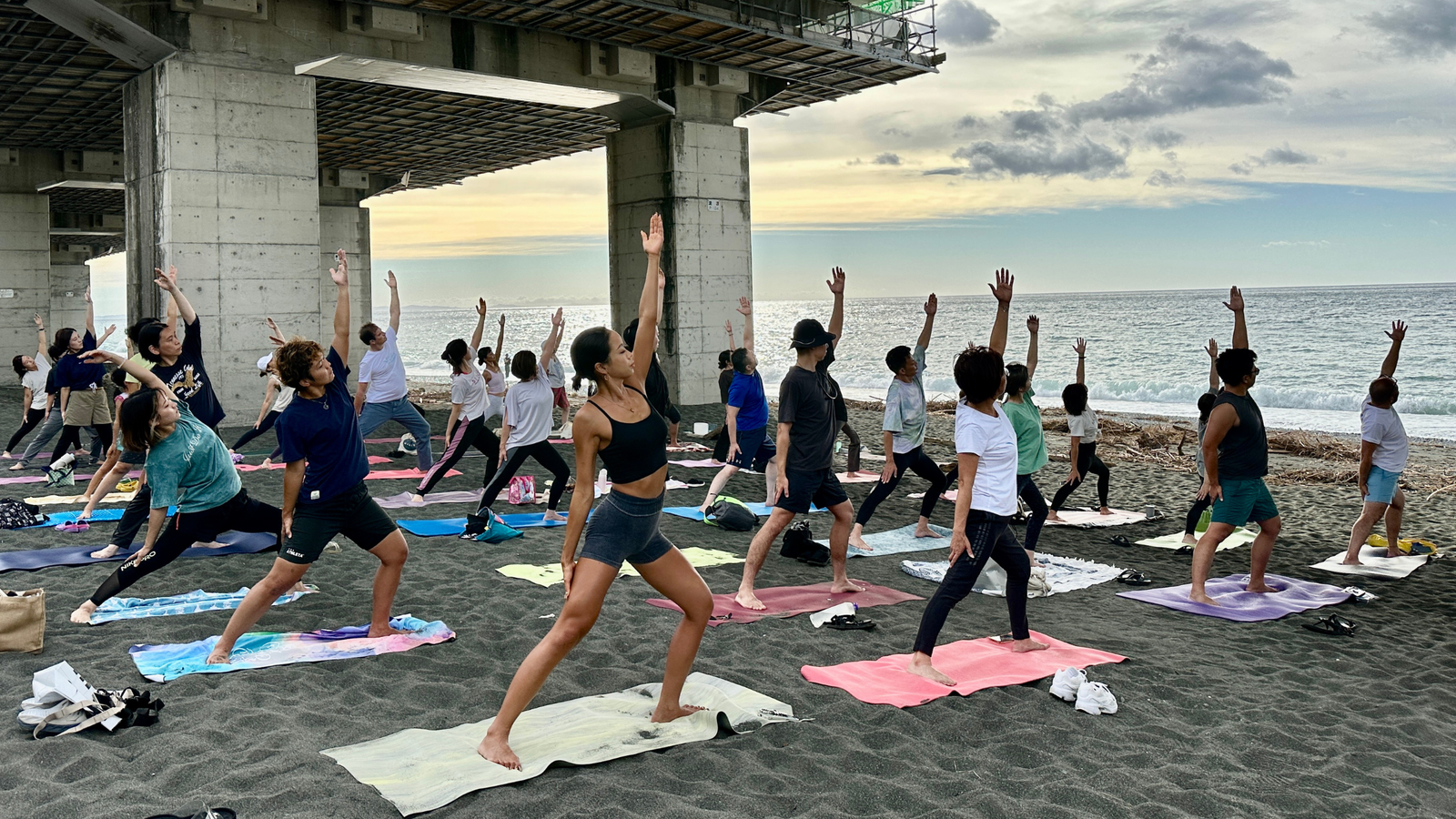
As the global wellness economy surges toward $7 trillion by the end of 2026, preventative health and longevity are taking priority over traditional luxury spending. From sunrise yoga sessions in Bali to forest bathing across Japan, World Wellness Weekend is establishing accessible healthcare as a fundamental civic right.
Democratizing a Trillion-Dollar Health Movement Across Borders
The movement operates across five universal pillars: Movement, Serenity, Nutrition, Sleep, and Purpose. Rather than treating health as an exclusive luxury commodity, participating brands and municipal leaders are offering free community workshops, fitness classes, and mindfulness sessions.
Aligned with UN Sustainable Development Goal 3, this year’s global slogan—”Connect. Recharge. Wellness is Energy”—highlights everyday accessibility. Industry giants like Planet Fitness, David Lloyd Clubs, and Marriott International are joining grassroots organizers to ensure local communities benefit without financial barriers.
Major urban centers are leading the charge by integrating public wellbeing directly into municipal infrastructure. Cities like Marbella and Madrid are transforming public parks, cultural landmarks, and universities into open-air wellness stages designed to encourage daily movement and mental resilience.
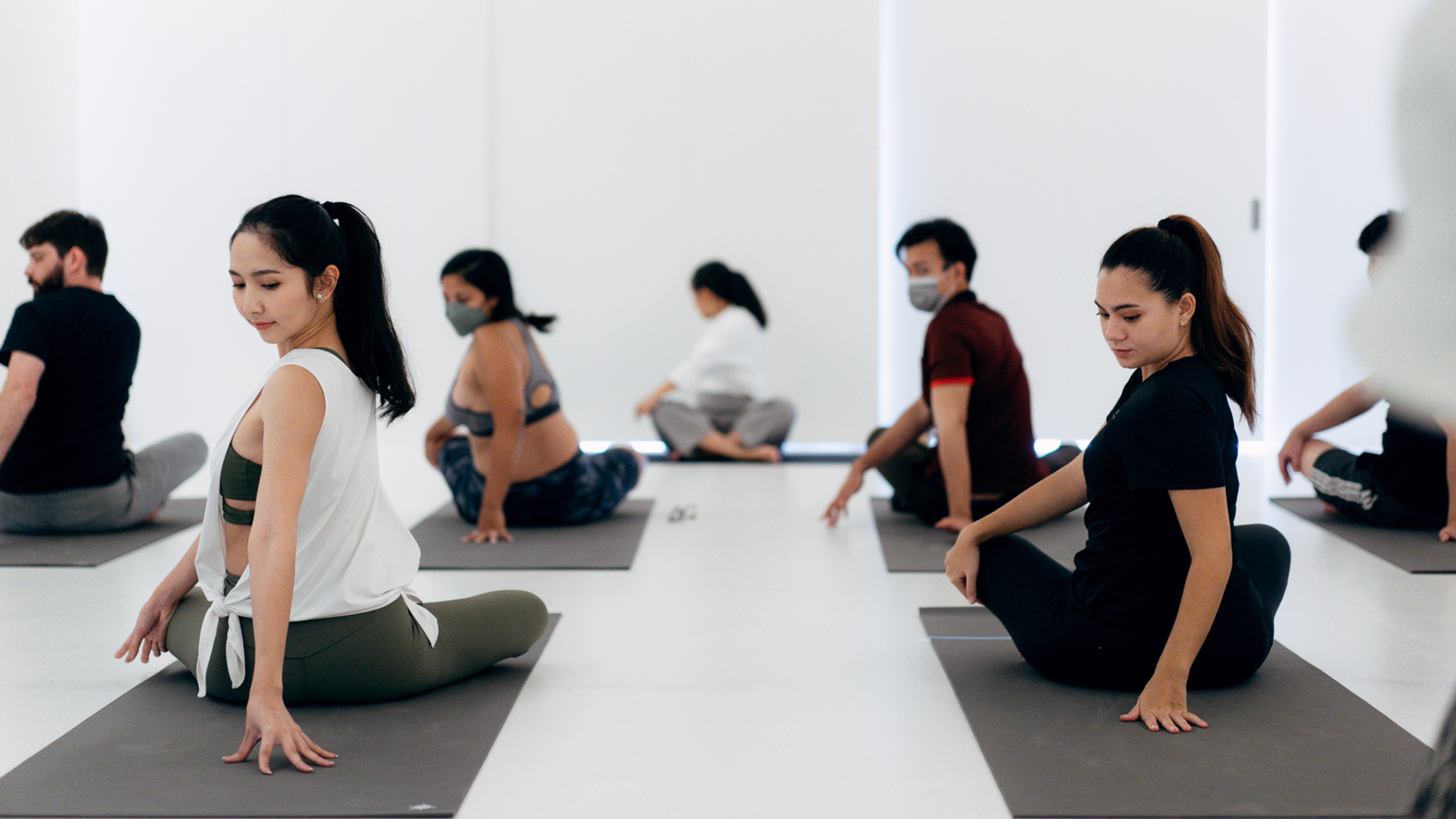
Urban Innovation and Public Policy Redefine Municipal Health
Governments and local authorities are increasingly treating wellness as a core pillar of public policy and economic development. In Argentina, cities like Tigre and Cabalango have officially declared World Wellness Weekend an “event of public interest,” while Japan is activating all 47 prefectures with municipal backing.
In Europe, strong institutional partnerships with the European Week of Sport and Fondazione Sport City in Italy are bringing structured physical activity to over 100 cities. These public-private alliances demonstrate how cities can lower long-term healthcare costs by making active living easy and affordable.
As World Wellness Weekend enters its second decade, founder Jean-Guy de Gabriac emphasizes that true health requires systemic change. By embedding health-conscious habits into city design, education, and workplace culture, the 2026 mobilization ensures that holistic wellbeing remains permanent, inclusive, and free for all.

The Philippine Trail Running Association is moving from proof of concept to consolidation, with expanded programs, youth development, and international Read more
The 2026 Global Fitness Report from Les Mills shows strength training is now mainstream, but lack of confidence, guidance, and Read more
![Hayden Wilde leads a stacked Singapore T100 field [photo credit: PTO]](https://sportsbytes.com.ph/wp-content/uploads/2026/04/Hayden-Wilde-winning-mens-pro-2025-Singapore-T100-Triathlon-DSC04970.jpg)
PTO World #1 Hayden Wilde leads a star-studded men’s lineup for the Singapore T100 Triathlon as Matt Hauser makes his Read more
![The Philippines is represented on the global fitness creator stage by Wil Dasovich. [Red Bull Content pool]](https://sportsbytes.com.ph/wp-content/uploads/2026/05/Red-Bull-400-Team-Ascent_Participants-Shot_01-scaled.jpg)
Filipino creator Wil Dasovich represented the Philippines in the inaugural Red Bull 400 Team Ascent in Japan, joining elite global Read more