The 2026 Metro Pacific Tollways Corporation Tour of Luzon has officially returned bigger, tougher, and more globally competitive, as the Philippine Sports Commission doubled down on its support for one of the nation’s most iconic sporting events. Building on the successful 2025 revival, this year’s edition is being positioned not just as a premier cycling competition but also as a major engine for Philippine sports tourism and international sporting prestige.
With stronger organizational backing, broader international participation, and intensified race conditions, the historic cycling spectacle has entered a new chapter, one that could significantly elevate the country’s status in global competitive cycling.
Foreign riders immediately assert dominance in punishing Stage 1
The opening stage delivered a fierce test for all competitors, as riders faced a grueling 150-kilometer course stretching from the scenic Calatagan South Beach in Batangas to the demanding uphill finish at Tagaytay City’s Praying Hands.
Syrian sensation Yousef Ibrahiem Alrefai of Dubai’s Life Cycles team emerged as the standout performer, crossing the finish line in dramatic fashion alongside teammate Nikita Shulchenko to secure a commanding 1-2 finish for their squad. British rider Douglas Tyler Hannay rounded out the podium, further emphasizing the strength of the foreign field in this year’s competition.
Alrefai’s victory not only secured the prestigious yellow jersey but also immediately established him as one of the race’s early stars. His performance highlighted the elevated international standard local cyclists now face as the Tour continues to grow in stature.
Despite foreign dominance, Filipino rider Jericho Jay Lucero of Go for Gold displayed resilience after suffering an early crash yet still managed to finish as the top local competitor, underscoring the determination of homegrown talent.
PSC pushes Tour of Luzon as cornerstone of sports tourism
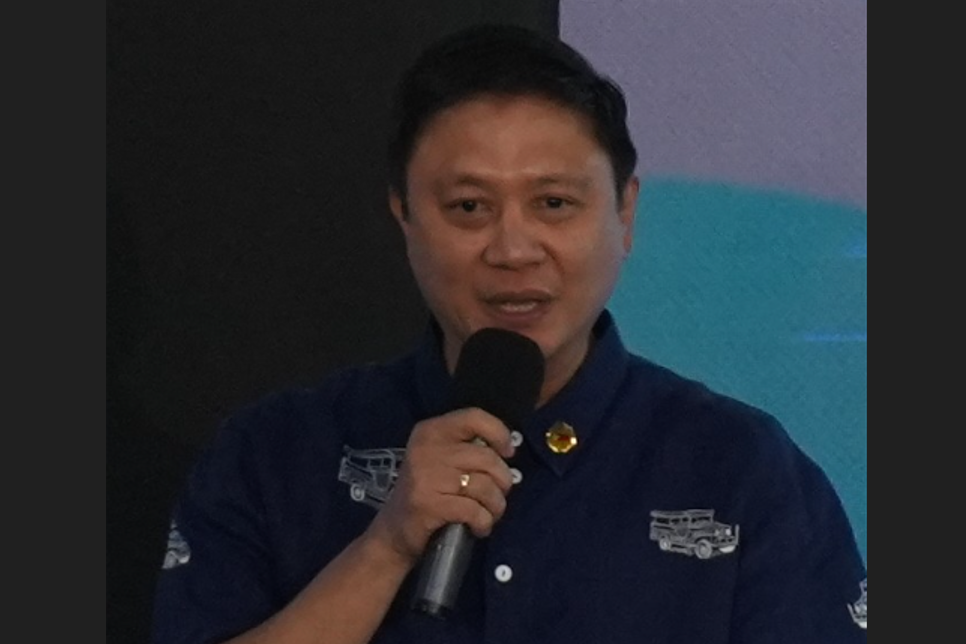
Philippine Sports Commission Chairman Patrick Gregorio underscored the event’s broader national significance, describing the Tour as a key pillar in the country’s expanding sports tourism strategy.
Gregorio praised the collaboration between public institutions and private sector partners such as Metro Pacific Tollways Corporation, PAGCOR, and the MVP Group, noting that the Tour’s revival and expansion demonstrate how strategic partnerships can transform sporting events into global showcases.
Even amid international logistical challenges and energy concerns, the participation of six foreign teams signaled growing confidence in the Tour of Luzon as an increasingly respected competition on the global cycling calendar.
As the race unfolds, the 2026 edition is shaping up to be not only a battle for cycling supremacy but also a symbol of the Philippines’ ambitions to leverage sports as a catalyst for tourism, economic growth, and international recognition.
With expanded stakes, stronger competition, and a renewed national vision, Tour of Luzon 2026 is rapidly proving that its comeback is no temporary revival but the beginning of a larger sporting renaissance.

“We called for this meeting to emphasize the safety protocols you will be needing for this Olympic training bubble. I Read more

The Department of Justice found probable cause on the complaint filed by the Philippine Sports Commission and the National Bureau Read more
![Fifth graders in their classroom at school [Taylor Wilcox]](https://sportsbytes.com.ph/wp-content/uploads/2021/01/taylor-wilcox-4nKOEAQaTgA-unsplash-scaled.jpg)
PSC Commissioner Celia H. Kiram salutes all educators, teachers, and professors who are giving their best in teaching despite the Read more

PSC chairman William "Butch" Ramirez said it’s understandable that Filipinos are expecting Pinoy Olympians to deliver the goods in the Read more