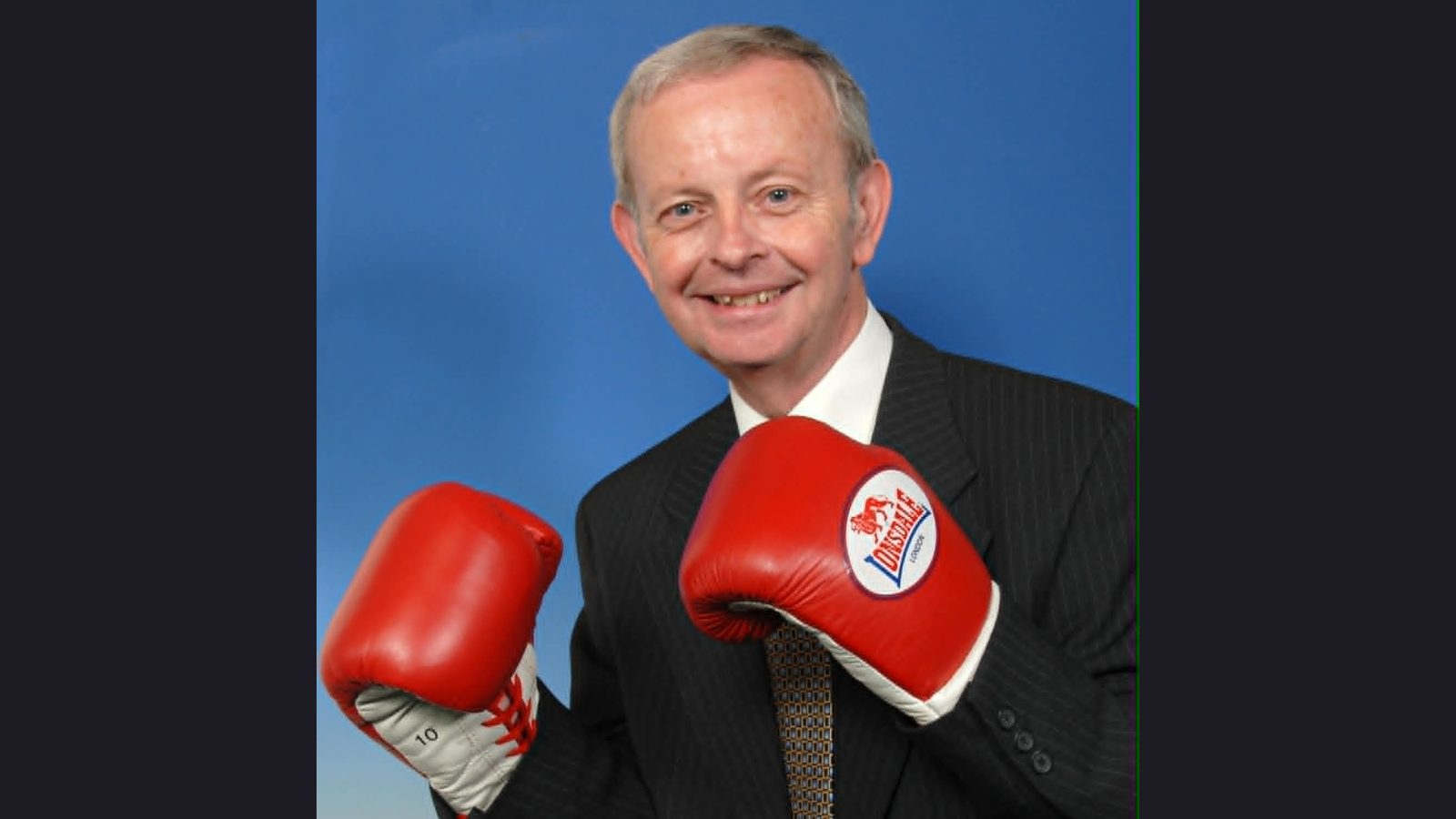
by Vincent Juico
In a sport built on fleeting moments, where champions rise and fall under bright lights and roaring crowds, Ralph Oates has dedicated much of his life to ensuring that boxing’s stories are never forgotten.
While fighters earn their place in history through punches thrown and titles won, Oates has carved out his own respected position through the written word. As a boxing journalist, historian, author, and former amateur boxer, he has spent decades preserving the heritage of what many still call “the sweet science.” (dissexpress.co.uk)
The story of Ralph Oates is not one of celebrity or self-promotion. Instead, it is the story of a lifelong boxing devotee whose passion for the sport evolved from participation to documentation. Before becoming one of Britain’s most respected boxing historians, Oates laced up the gloves himself, compiling an impressive amateur record of 37 victories against just three defeats during the 1960s. (dissexpress.co.uk)
That experience inside the ropes gave him something many writers never possess: an understanding of boxing from the fighter’s perspective. He knew the sacrifices, discipline, and courage required long before he began chronicling the achievements of others.
What separates Oates from many modern sports writers is his commitment to boxing’s history. At a time when attention spans are increasingly short and coverage often centers on the latest controversy, Oates has consistently looked beyond the headlines. His books explore not only champions and title fights but also the forgotten figures, remarkable achievements, and fascinating stories that form boxing’s rich tapestry. (Iceni Magazine)
Over the years, he has authored numerous books covering heavyweight history, British boxing, and some of the sport’s most notable personalities. His works include The Noble Art of Heavyweight Boxing, Bruno and Lewis: The Boxing Years, A Round of Boxing, and most recently Sir Henry Cooper: A Boxing Knight. (Kennys Bookshop)
His writing reflects the qualities often associated with boxing itself: patience, preparation, and persistence. Researching the sport’s past is not glamorous work. It requires countless hours examining records, newspapers, photographs, and archives. Yet Oates has embraced that challenge for decades, becoming a trusted source for boxing enthusiasts seeking accuracy and historical context.
His expertise has been recognized beyond publishing. Oates contributed to the British Boxing Board of Control Yearbook and served as a boxing consultant for Guinness World Records, roles that underline the respect he has earned throughout the boxing community. (dissexpress.co.uk)
Perhaps one of the most admirable aspects of his career is that it has always appeared to be driven by genuine affection for the sport rather than financial reward. When discussing his writing, Oates has openly stated that he never pursued it for money; he did it because of his love for boxing. That sentiment resonates throughout his body of work. (dissexpress.co.uk)
In an era dominated by social media debates and 24-hour news cycles, boxing still needs historians. The sport’s past remains essential to understanding its present. Figures such as Jack Johnson, Joe Louis, Henry Cooper, Muhammad Ali, and Lennox Lewis continue to influence conversations today because dedicated historians have preserved their stories.
Ralph Oates has been one of those custodians.
His contribution cannot be measured in championship belts or knockout victories. Instead, it can be found on bookshelves, in archives, and in the knowledge passed on to future generations of boxing fans.
The fighters create history. Ralph Oates has spent a lifetime making sure history remembers them.
That is a legacy worthy of recognition in its own right.
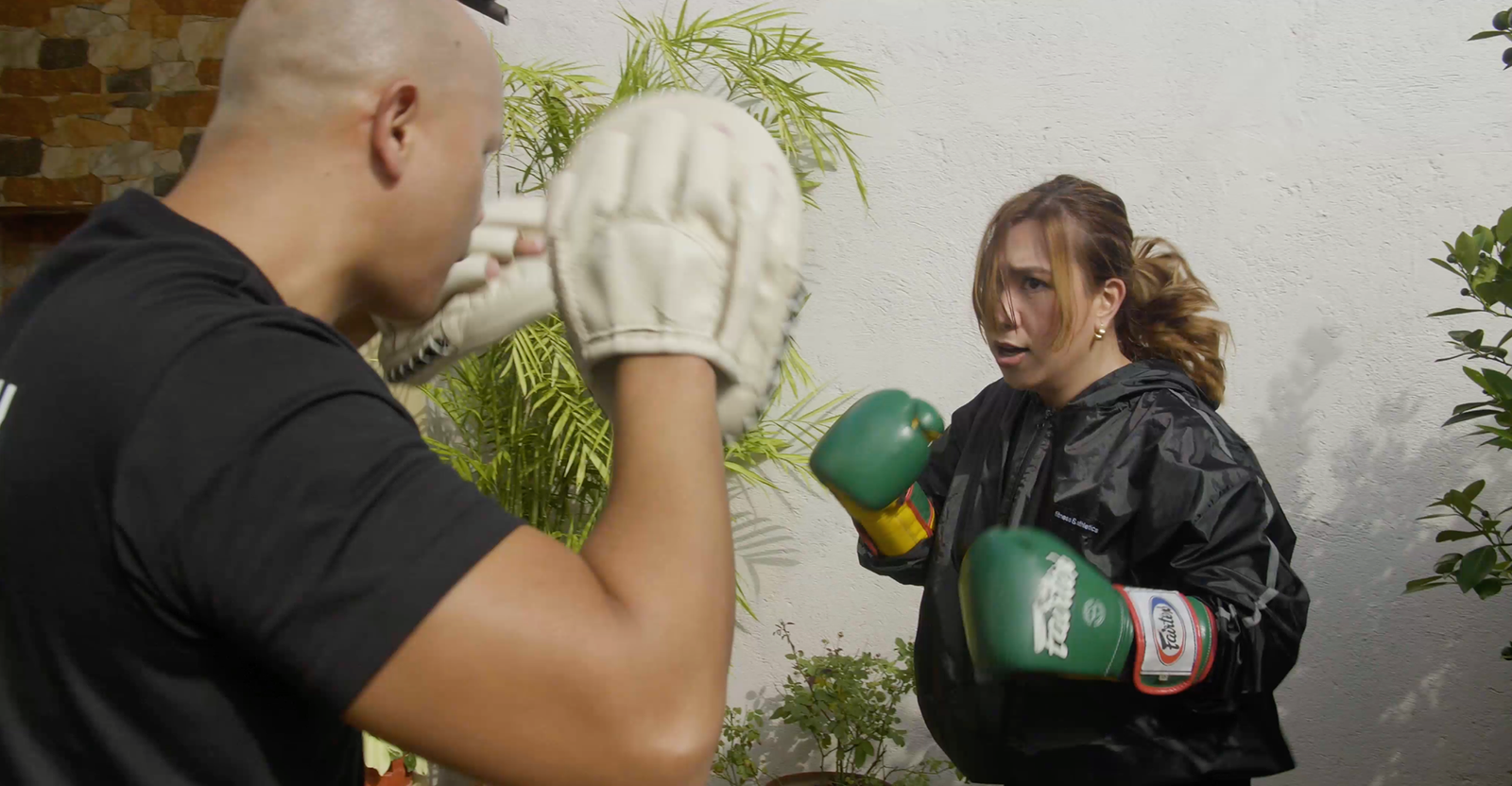
FlexBox offers people a new kind of way to book appointments with fitness buffs, allowing them to have workout session Read more

"Marvelous" Marvin Nathaniel Hagler had knockout power in both hands. He could fight either southpaw or unorthodox, anything to keep Read more
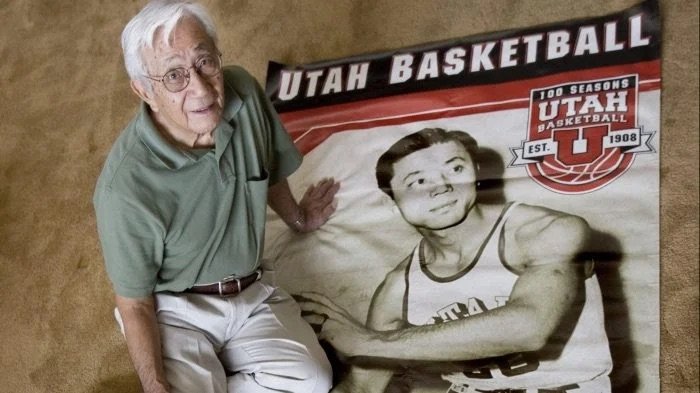
Wataru Misaka was 5-foot-7 and was drafted by the New York Knicks of the then BAA (Basketball Association of America), Read more

BaliPure Purest Water Defenders Head Coach Rommel Abella mentioned the word positionless, which is a word you normally associate with Read more
- MVP MMA Takes Aim - August 13, 2026
- The Heart of Resilience - July 27, 2026
- The Tartan Army and the Orange Army: What American Sports Can Learn from Football’s Greatest Traveling Fans - June 26, 2026